
Experience
I completed two internship periods during my web development studies, both carried out remotely but in very different environments. The first focused on e-commerce migration, product data quality, metadata, and content structure in Webbskap. The second focused on WordPress, Elementor, multilingual website work, UX refinement, and CMS-based problem solving in a SaaS setting. Together, they gave me practical experience of how web work functions beyond coursework, especially in relation to content, structure, communication, and production-oriented detail.
Web Developer Intern, Dala Hud & Skönhet
During my first internship, I worked on the migration of Dala Hud & Skönhet’s website to Webbskap, with focus on improving the quality and structure of the product catalogue. My work included product migration, duplicate cleanup, correction of broken URLs, image sourcing, product descriptions, metadata, alt texts, heading hierarchy, category structure, internal linking, and simple SEO-related checks. I also proposed tags and category solutions for borderline cases and planned smaller content pieces linked to seasonality and stock.
The work was carried out in a small, fast-moving setup with two startup meetings, then mostly asynchronous communication through WhatsApp with the owner and Webbskap support via live chat and email. That meant short decision paths and a lightweight, weekly task-based workflow rather than formal sprint rituals or issue boards. It worked well for the size of the business, but also required clear written follow-up, explicit approval before publication, and a disciplined approach to traceability.
A large part of the value in this placement came from working independently with real content constraints. Product information was sometimes incomplete, which meant I had to verify ingredients, usage details, and images through supplier sources and approved external references before publication. That process strengthened my ability to work carefully with source validation, content quality, accessibility-related details, and structured publishing in a live CMS environment.
Web Developer Intern, Hartic
During my second internship, I worked with Hartic’s WordPress website in a more design- and structure-oriented environment built around Elementor, Monday.com, Teams, and Canva. Early on, the key challenge was understanding that the site had been built through a no-code / low-code logic where layout, spacing, visual hierarchy, and structure were managed primarily through Elementor’s own settings rather than through custom CSS. That required a different way of thinking: less about introducing new code, and more about understanding and extending an existing system sustainably.
My work included refining page structure, hero sections, spacing, section padding, CTA treatment, background overlays, colour consistency, and visual hierarchy across multiple pages. I used existing reference pages to identify design patterns, corrected layout inconsistencies, aligned sections with established spacing rules, and helped bring pages into a more consistent white–grey–white rhythm. I also worked with semantic structure, heading hierarchy, readability, and accessibility-related improvements as part of the wider content and layout refinement.
A major part of the internship later shifted toward multilingual implementation. I analysed several translation approaches for WordPress and Elementor, including WPML, TranslatePress, and finally Polylang, where I concluded that Polylang offered the most realistic and maintainable solution for the project. I then documented and tested the practical workflow for language versions in Elementor, including cloning, language relationships, structural linking, and the risks involved when translated pages were not created as proper Elementor-based clones. I also worked on the English versions of multiple pages, refining the copy into more natural, market-adapted English rather than relying on literal translation, while checking that links, hover text, subtitles, and terminology remained consistent across language versions.
Toward the end of the placement, I also investigated a possible self-assessment quiz feature inspired by the Swedish Work Environment Authority’s model. Instead of treating it as a simple questionnaire, I analysed how a WordPress-based solution could produce more useful results through level-based outcomes, explanatory feedback, and PDF generation. That led to a plugin comparison and a concrete technical recommendation built around Forminator, shortcode-based Elementor integration, and a multi-step scoring flow.
Together, these two internships strengthened my ability to work independently in remote setups, adapt to different digital environments, document decisions clearly, and balance content, UX, structure, tooling, and technical constraints in real projects. One placement was centred on migration, product data, metadata, and e-commerce content quality. The other focused on WordPress, Elementor, multilingual workflow, layout refinement, and CMS-based analysis in a SaaS context. Both were highly practical and gave me a more realistic understanding of how web development work is actually carried out in small and medium-sized organisations.
Translation, Localisation & Technical Content Work
Before and alongside my formal web development training, I spent more than a decade working with translation, localisation, and multilingual content for clients across multiple countries and sectors. The work included legal documents, technical manuals, product descriptions, e-commerce material, marketing content, medical and academic texts, and structured business documentation. It required precision, terminology control, consistency, and the ability to adapt language to both audience and context.
That background continues to strengthen my web work directly. It has made me especially attentive to content structure, readability, localisation, tone, terminology, multilingual consistency, and user-facing clarity. It also supports work related to SEO-aware copy, metadata, CMS content, and translation-sensitive interface decisions, particularly in projects where language, usability, and content presentation need to function together rather than as separate layers.
Alongside that professional work, long-standing interests in fantasy writing, digital presentation, and visual editing also contributed to how I approach content and design. In practice, that has meant a stronger eye for thematic consistency, visual communication, asset preparation, and the relationship between text, layout, and interface.
Client Feedback and Earlier Freelance Projects
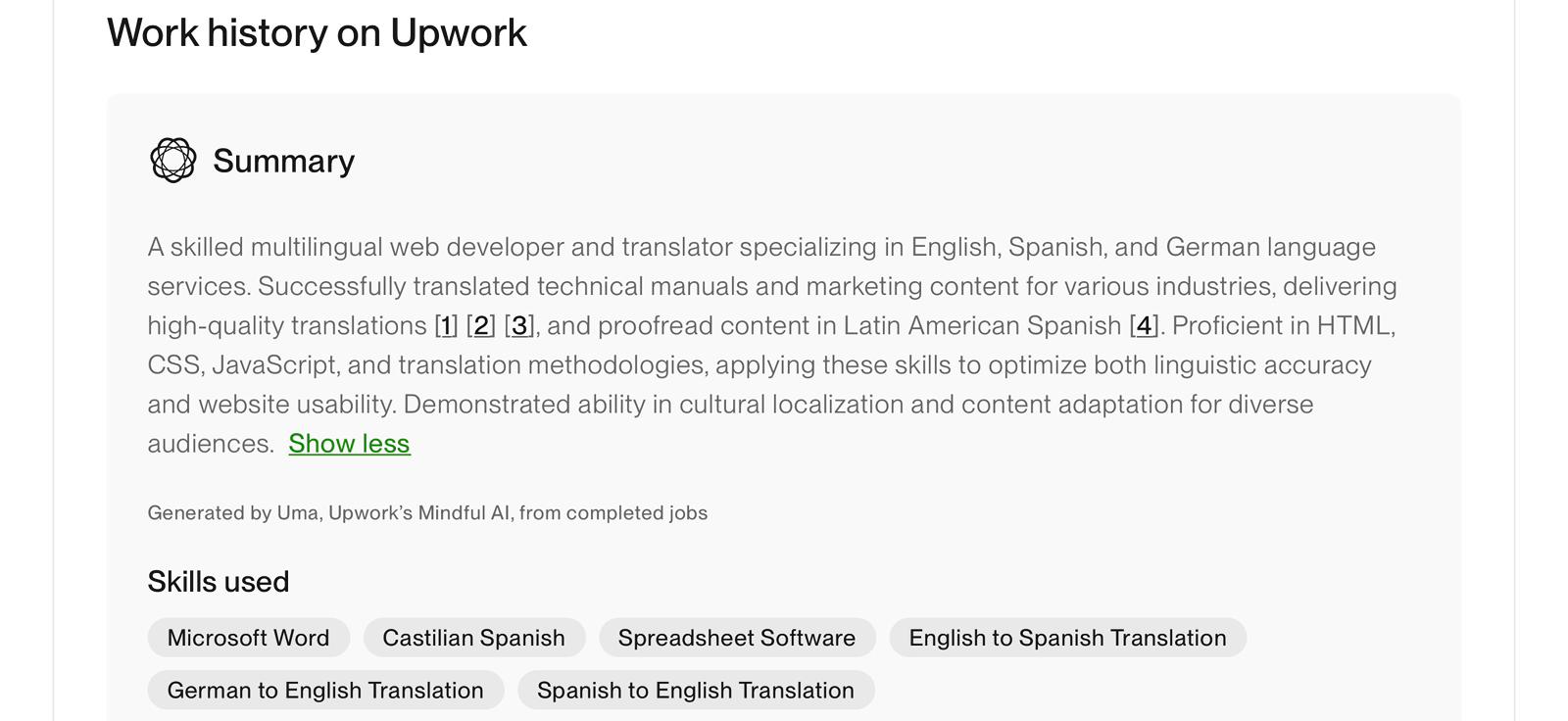

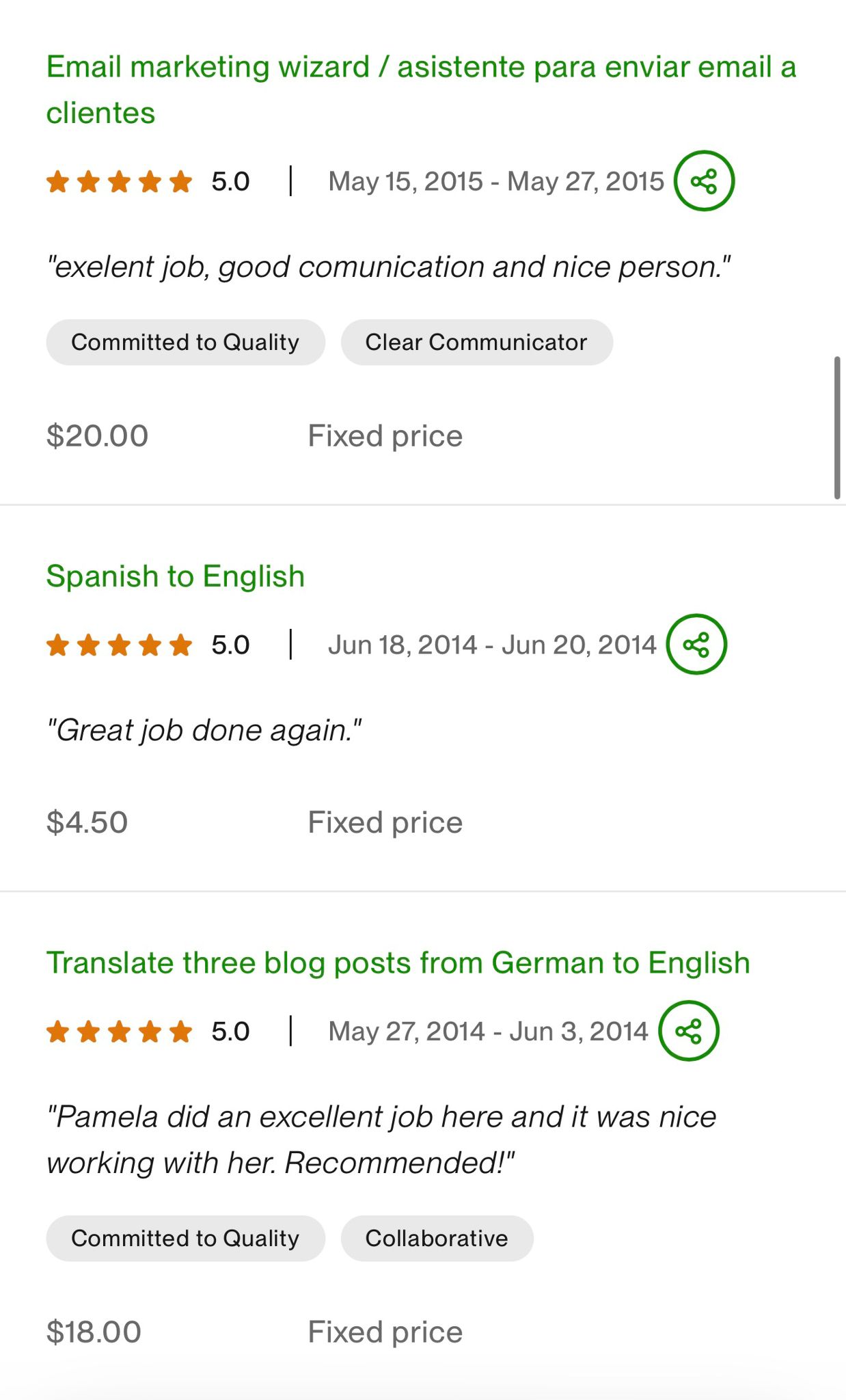
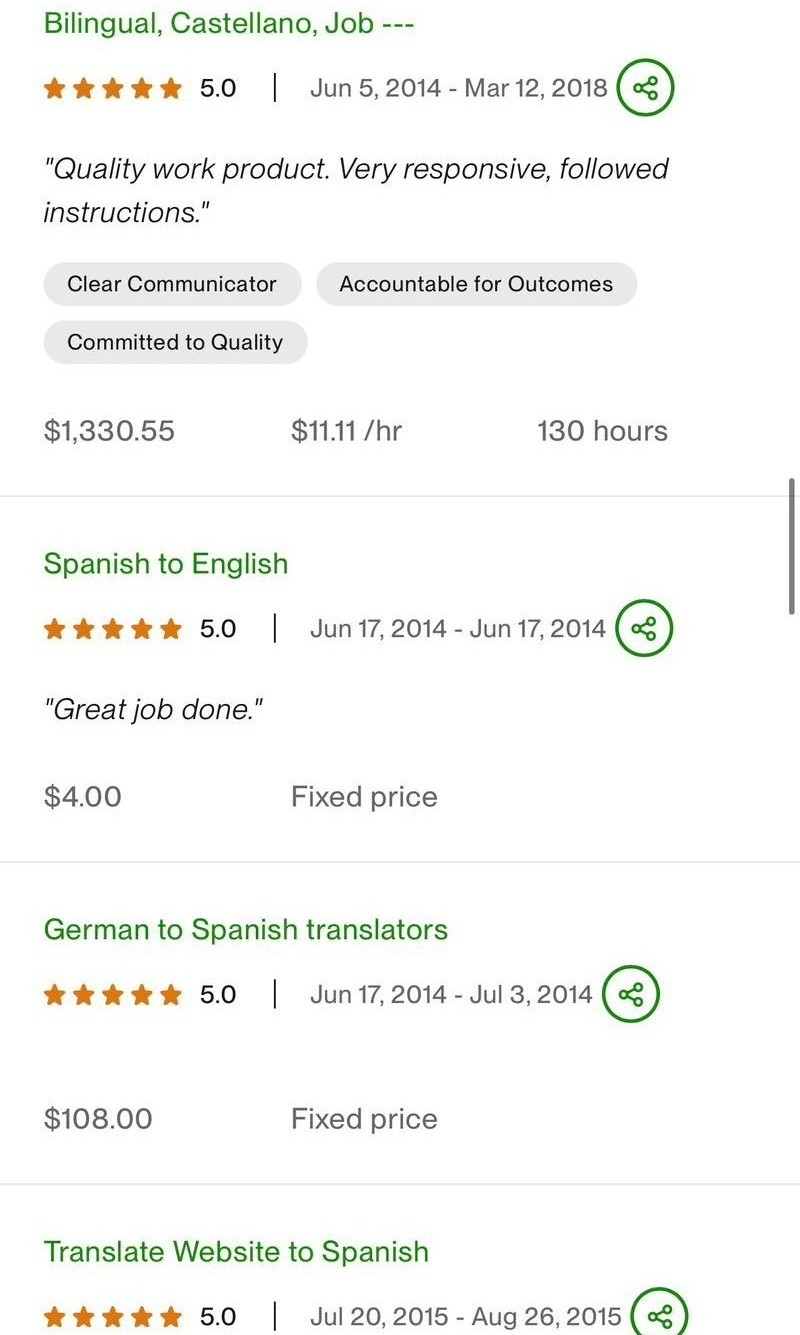
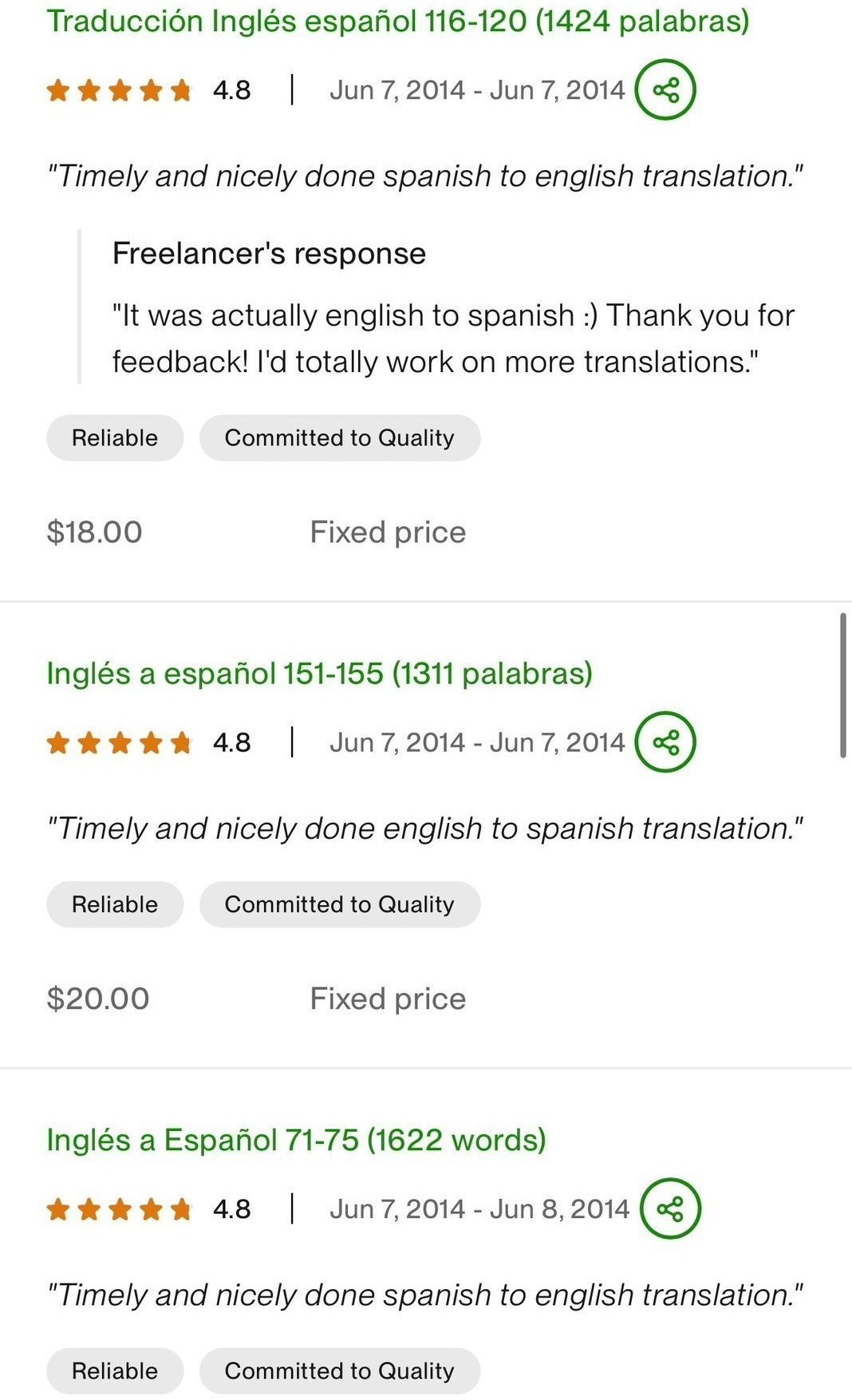
The screenshots above document earlier freelance translation work from my Upwork profile and include completed projects, client feedback, and platform-generated summaries connected to that period. They are presented here as supporting background for my earlier professional experience in translation, localisation, multilingual content work, and client communication. My Upwork profile is currently private, but it can still be viewed by signed-in Upwork users with platform access.
View on Upwork (opens in new tab; profile and contract context)